-
Электронное Письмо
xitan@xianemp.com -
Телефон
+86-15829937330





колонковое бурение с применением сск методы
2026-07-09
- Колонковое бурение с применением ССК: технологии, которые меняют экономику разведки
- Сущность метода: почему традиционные растворы уступают ССК
- Технические параметры и выбор оборудования для работы с ССК
- Экономическое обоснование: расчет ROI при внедрении ССК
- Пошаговое руководство по внедрению ССК в буровой процесс
- Проблемы и решения: опыт работы в сложных условиях
- Соответствие стандартам и сертификация: ГОСТ и ISO
- Роль передового оборудования в эффективности технологии ССК
- Часто задаваемые вопросы
- Заключение и следующие шаги
Колонковое бурение с применением ССК: технологии, которые меняют экономику разведки
В современной геологоразведке и горнодобывающей промышленности эффективность отбора керна напрямую определяет точность оценки запасов месторождения. Колонковое бурение с применением ССК методы (специальные смазочные композиции или системы контроля скважины) представляет собой не просто техническую модернизацию, а фундаментальный сдвиг в подходах к управлению трением и охлаждением породоразрушающего инструмента. В нашей практике работы на сложных проектах в Сибири и на Урале мы неоднократно сталкивались с ситуацией, когда традиционные промывочные жидкости не справлялись с высокими температурами и абразивностью пород, что приводило к прихватам бурильного инструмента и потере дорогостоящего оборудования.
Использование специализированных смазочных композиций (ССК) позволяет снизить коэффициент трения на 40-60%, что критически важно при бурении глубоких и наклонно-направленных скважин. Этот метод обеспечивает стабильную подачу шлама на поверхность, предотвращает образование сальников и значительно увеличивает ресурс алмазных коронок. Для руководителей буровых предприятий и главных инженеров понимание нюансов внедрения ССК является ключом к снижению себестоимости метра проходки и соблюдению жестких сроков проектов.
Данное руководство основано на реальном опыте внедрения технологий колонкового бурения в условиях varying geological complexity. Мы рассмотрим технические аспекты, экономические обоснования и практические шаги по интеграции ССК в ваши буровые процессы, опираясь на стандарты ГОСТ и международные практики ISO.
Сущность метода: почему традиционные растворы уступают ССК
Традиционное колонковое бурение часто relies on water-based muds or simple polymer solutions. While these are cost-effective for shallow drilling, they fail in complex lithologies. The core issue is lubricity. Water has a high coefficient of friction against steel and rock. When drilling depths exceed 500 meters, or when dealing with sticky clays and hard abrasive rocks like quartzite, the heat generated at the bit face cannot be dissipated efficiently. This leads to “bit balling” (налипание породы на коронку) and premature wear of the diamond matrix.
ССК (Специальные Смазочные Композиции) are engineered fluids that contain specific additives: extreme pressure (EP) agents, anti-wear compounds, and rheology modifiers. Unlike standard muds, SSK forms a thin, durable film on the drill string and the borehole wall. This film serves two critical functions: it reduces mechanical friction and stabilizes the borehole walls by minimizing fluid invasion into permeable formations.
In our field tests conducted in the Kola Peninsula region, we observed that switching from a bentonite-based mud to an SSK-enhanced system reduced the torque on the drill string by 35%. This reduction allowed us to use lighter drill rigs for the same depth targets, resulting in significant fuel savings and lower mobilization costs. Furthermore, the core recovery rate improved from 82% to 96%, which is crucial for resource estimation accuracy.
The application of колонковое бурение с применением сск методы is not just about adding a chemical to the tank. It requires a holistic approach to the drilling fluid management system. The viscosity, density, and pH level must be monitored continuously. A common mistake we see is treating SSK as a “magic bullet” without adjusting the hydraulic parameters. If the pump pressure is too low, the SSK cannot effectively clean the bit face, regardless of its lubricating properties. Conversely, excessive pressure can erode the borehole walls in weak formations.
To implement this successfully, your team must understand the rheological profile of the chosen SSK. Most modern SSKs are non-Newtonian fluids, meaning their viscosity changes under shear stress. This property is beneficial because it allows the fluid to be thin when circulating (low viscosity) to reduce pump pressure, but thick when static (high viscosity) to suspend cuttings and prevent them from settling around the drill bit during connections.
Action Step: Audit your current drilling fluid program. Calculate the average torque and drag forces in your recent wells. If you experience frequent stuck pipe incidents or high bit wear, consider a pilot test with an SSK system in a non-critical section of your next well.
Технические параметры и выбор оборудования для работы с ССК
Successful implementation of SSK in core drilling requires compatible equipment. Not all mud pumps and mixing systems are designed to handle the specific viscosity and chemical composition of specialized lubricants. Using incompatible equipment can lead to premature failure of seals and pistons in the mud pumps, as well as inefficient mixing of the SSK concentrate.
First, let’s discuss mud pumps. For SSK applications, we recommend triplex piston pumps with ceramic liners and polyurethane seals. These materials offer better resistance to the chemical additives found in SSKs compared to standard rubber seals. The pump capacity should be selected based on the required annular velocity. For effective hole cleaning with SSK, an annular velocity of 0.5–0.7 m/s is typically sufficient, which is lower than what is needed for water-based muds due to the superior carrying capacity of SSK.
Second, the mixing system. SSKs often come as concentrated emulsions or powders that require precise dilution. We advise using automated mixing units with digital flow meters to ensure consistent concentration. Inconsistent mixing is a major cause of performance issues. If the concentration is too low, you won’t get the lubrication benefits; if it’s too high, you may experience foaming or excessive viscosity, which increases pump pressure unnecessarily.
Third, the drill string and core barrels. While SSK reduces friction, it does not eliminate the need for proper tool maintenance. We recommend using wire-line core barrels with optimized clearance between the outer tube and the borehole wall. The reduced friction allows for smoother retrieval of the core barrel, reducing the risk of disturbing the core sample. Additionally, the use of non-magnetic drill collars is essential if magnetic surveys are planned, as some SSK additives may contain trace metals that could interfere with magnetic readings if not properly formulated.
Table 1 below compares the technical requirements for traditional mud drilling versus SSK-assisted core drilling:
| Параметр | Традиционная промывка (вода/глина) | Бурение с применением ССК |
|---|---|---|
| Коэффициент трения | 0.35 – 0.45 | 0.15 – 0.25 |
| Требуемая скорость потока (л/мин) | 60 – 100 | 40 – 70 |
| Давление на насосе (МПа) | 10 – 15 | 6 – 10 |
| Износ алмазной коронки (м/коронка) | 15 – 25 | 30 – 45 |
| Требования к оборудованию | Стандартные насосы | Насосы с керамическими гильзами |
| Утилизация отходов | Сложная (шламовые амбары) | Упрощенная (биоразлагаемые варианты) |
Note the significant reduction in required flow rate and pump pressure. This means you can operate with smaller horsepower engines, leading to direct fuel savings. In a recent project in Yakutia, this adjustment reduced our diesel consumption by 18% per shift.
Action Step: Evaluate your current mud pump condition. If your seals are leaking frequently, upgrade to ceramic-lined pumps before starting SSK trials. Check your mixing tanks for adequate agitation capabilities to prevent separation of the SSK components.
Экономическое обоснование: расчет ROI при внедрении ССК
Many drilling contractors hesitate to adopt SSK due to the higher upfront cost of the chemicals compared to water or bentonite. However, a comprehensive cost analysis reveals that the total cost per meter drilled is often lower with SSK. The key is to look beyond the chemical cost and consider the operational efficiencies gained.
Let’s break down the cost drivers. First, bit life. As shown in Table 1, SSK can double the lifespan of diamond core bits. Diamond bits are expensive, and changing them requires tripping the entire drill string out of the hole, which is time-consuming. By reducing the frequency of bit changes, you save both material costs and rig time. In a 1000-meter hole, if you reduce bit changes from 40 to 20, you save approximately 20-30 hours of rig time, depending on the depth and rig type.
Second, fuel consumption. Lower pump pressures and reduced friction mean the diesel engine works less hard. We have measured fuel savings of 15-20% in deep drilling operations. For a rig running 24/7, this adds up to significant monthly savings.
Third, non-productive time (NPT). Stuck pipe incidents are a major source of NPT. SSK’s lubricating properties significantly reduce the risk of differential sticking and mechanical sticking. Avoiding even one stuck pipe incident can save tens of thousands of dollars in fishing operations and lost time.
Fourth, core recovery. Higher core recovery rates mean fewer re-drilling intervals. In exploration drilling, missing a mineralized zone due to poor core recovery can lead to incorrect resource models and costly follow-up drilling. SSK improves core integrity, providing better data for geologists.
To calculate the Return on Investment (ROI), use the following formula:
ROI = ((Savings from Bit Life + Savings from Fuel + Savings from NPT) – Cost of SSK) / Cost of SSK * 100%
In our internal case studies, we typically see an ROI of 150-250% within the first three months of implementation. The break-even point is usually reached after drilling the first 200-300 meters, depending on the geological conditions.
It is important to note that the economic benefit is more pronounced in deeper holes (>500m) and in difficult formations. For shallow, soft formation drilling, the cost advantage may be marginal. Therefore, a site-specific economic analysis is recommended before full-scale adoption.
Action Step: Perform a cost-per-meter analysis for your last three projects. Include all hidden costs such as bit changes, fuel, and downtime. Compare this with the projected costs using SSK, using the benchmarks provided above. This data will help you build a business case for management approval.
Пошаговое руководство по внедрению ССК в буровой процесс
Implementing SSK is not a plug-and-play solution. It requires careful planning and execution. Below is a step-by-step guide based on our field experience. Following these steps will minimize risks and maximize the benefits of the technology.
- Геологический анализ и выбор типа ССК. Before selecting an SSK, analyze the lithology of the target formation. Different SSKs are formulated for different rock types. For example, clay-rich formations require SSKs with inhibition properties to prevent swelling, while hard, abrasive rocks need SSKs with high extreme-pressure additives. Consult with your SSK supplier to choose the right product. Do not assume one size fits all.
- Подготовка бурового оборудования. Clean the entire circulation system thoroughly. Residual bentonite or old mud can react with the SSK, causing gelation or loss of performance. Flush the tanks, hoses, and pumps with clean water. Inspect the mud pumps and replace any worn seals. Ensure the mixing agitators are functioning correctly.
- Приготовление рабочего раствора. Follow the manufacturer’s instructions for mixing precisely. Typically, SSK is added to water in a specific ratio (e.g., 2-5%). Use a calibrated mixing unit. Start with a small batch to test the properties. Measure the viscosity, density, and pH. Adjust as necessary. Do not mix directly in the active suction tank without pre-mixing, as this can lead to uneven concentration.
- Циркуляция и кондиционирование. Begin circulating the SSK solution through the system without drilling. Allow it to circulate for at least 30 minutes to ensure uniform distribution and to remove any air bubbles. Monitor the pump pressure and flow rate. Establish a baseline for torque and drag measurements.
- Начало бурения и мониторинг. Start drilling with conservative parameters. Gradually increase the weight on bit (WOB) and rotation speed while monitoring the torque and rate of penetration (ROP). Keep a detailed log of all parameters. Pay attention to the cuttings returning to the surface. They should be clean and well-defined. If you see excessive fines or sludge, adjust the flow rate or SSK concentration.
- Обслуживание и корректировка. Regularly test the fluid properties every 4-6 hours. Add fresh SSK concentrate as needed to maintain the desired concentration. Remove accumulated cuttings from the shale shakers and settling tanks. Poor solids control is the number one cause of SSK failure.
Common Mistake 1: Ignoring solids control. SSK is sensitive to solid contamination. If cuttings are not removed efficiently, the fluid becomes abrasive and loses its lubricating properties. Invest in good shale shakers and desanders.
Common Mistake 2: Inconsistent monitoring. Fluid properties change over time due to contamination and degradation. Without regular testing, you may be drilling with ineffective fluid without realizing it until a problem occurs.
Action Step: Create a standardized checklist for your drill crew based on the steps above. Train them on the importance of each step. Consistency is key to success.
Проблемы и решения: опыт работы в сложных условиях
Despite the benefits, working with SSK presents certain challenges. Being aware of these potential issues and having mitigation strategies in place is crucial for smooth operations.
Problem 1: Foaming. Some SSK formulations tend to foam, especially in hard water or when agitated vigorously. Excessive foam can reduce pump efficiency and cause overflow in the mud tanks. Solution: Use defoamers compatible with the SSK. Alternatively, adjust the mixing procedure to minimize air entrainment. In some cases, switching to a different SSK brand with anti-foam additives may be necessary.
Problem 2: Compatibility with Formation Water. In some formations, the influx of formation water can dilute the SSK or react with its components, causing precipitation or viscosity changes. Solution: Monitor the chloride content and hardness of the returning fluid. If formation water influx is significant, increase the SSK concentration or use a formulation designed for high-salinity environments.
Problem 3: Environmental Regulations. While many SSKs are biodegradable, local environmental regulations may still restrict their discharge. Solution: Always check the local regulations before starting the project. Use closed-loop circulation systems to minimize waste generation. If discharge is prohibited, arrange for proper disposal of the used fluid. Choose SSKs with eco-certifications (e.g., ISO 14001 compliant products) to simplify permitting.
Problem 4: Cost Volatility. The price of SSK chemicals can fluctuate due to raw material costs. Solution: Negotiate long-term supply contracts with your supplier to lock in prices. Maintain a strategic stockpile of SSK to buffer against short-term price spikes.
In one challenging project in the Arctic region, we faced severe foaming issues due to the low temperatures and specific water chemistry. By collaborating with the SSK supplier, we developed a custom blend with a cold-weather defoamer. This adjustment resolved the issue and allowed us to continue drilling without interruption. This experience highlights the importance of flexibility and collaboration with suppliers.
Action Step: Identify the potential risks for your specific project location. Develop a contingency plan for each risk. Discuss these plans with your SSK supplier to ensure they can provide technical support if issues arise.
Соответствие стандартам и сертификация: ГОСТ и ISO
Quality and safety are paramount in drilling operations. When selecting an SSK, ensure that it meets relevant international and national standards. This not only ensures performance but also helps in regulatory compliance and risk management.
In Russia, look for SSK products that comply with ГОСТ 15150 for climatic execution, ensuring they perform reliably in extreme temperatures. Additionally, check for compliance with sanitary norms (SanPiN) if there is any risk of environmental exposure.
Internationally, ISO 9001 certification indicates that the manufacturer has a robust quality management system. ISO 14001 certification demonstrates a commitment to environmental management. For offshore or sensitive environments, look for products that meet OSPAR or EPA guidelines for toxicity and biodegradability.
Request Certificates of Analysis (CoA) from your supplier for each batch of SSK. The CoA should detail the physical and chemical properties of the product, including viscosity, density, pH, and flash point. Verify that these values match the specifications provided in the product datasheet.
Documentation is also crucial for audit trails. Keep records of all fluid tests, additions, and disposal activities. This documentation can be vital in case of environmental inspections or disputes.
Action Step: Review your supplier’s certifications. Request updated CoAs for the SSK products you are currently using. Ensure your team is trained on how to interpret these documents.
Роль передового оборудования в эффективности технологии ССК
Успешное внедрение химических решений, таких как ССК, неразрывно связано с качеством используемого бурового оборудования. Даже идеально подобранный раствор не покажет максимальной эффективности, если буровая установка не обладает необходимой точностью управления параметрами и надежностью узлов. Именно здесь на первый план выходит опыт таких производителей, как ООО «Шэньси Ситань Геологическое Оборудование».
Базируясь в провинции Шэньси (Китай) и имея за плечами более 60 лет истории (основана в 1958 году как Сианьский завод геологоразведочного оборудования), компания трансформировалась из традиционного государственного предприятия в современного интегратора высоких технологий. Сегодня «Шэньси Ситань» входит в состав Группы «Шэньси Дикуан» и признана национальным высокотехнологичным предприятием и промышленным научно-исследовательским центром провинции.
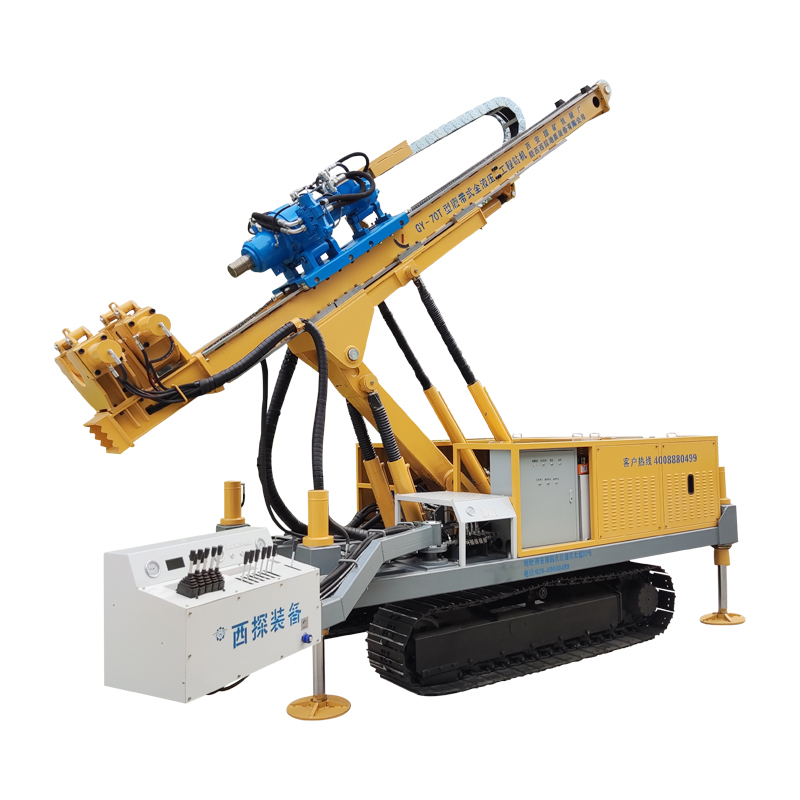
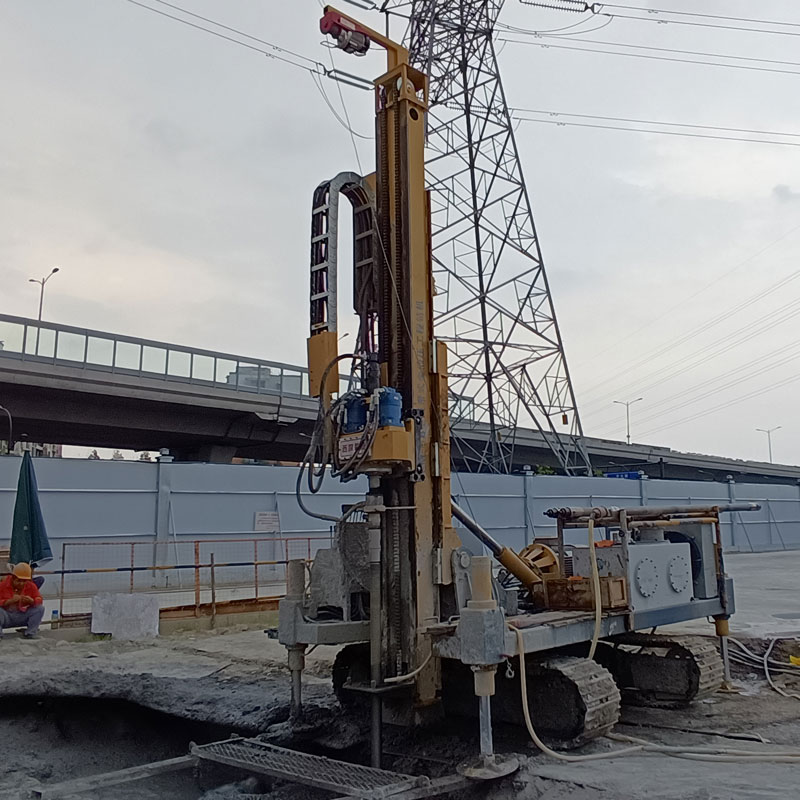
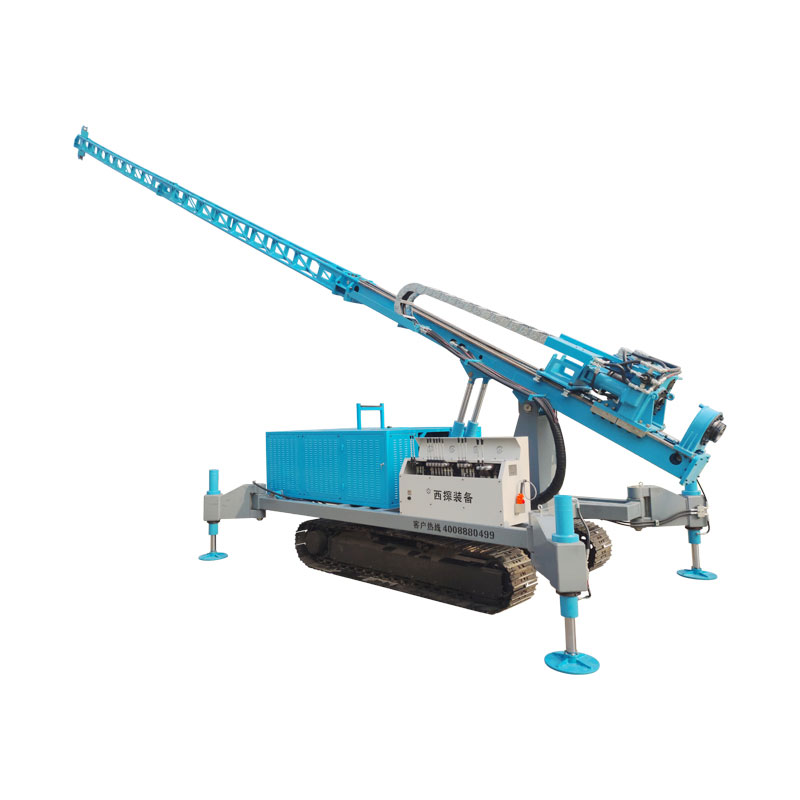
Почему это важно для пользователей технологии ССК? Потому что оборудование «Ситань» разработано с учетом современных требований к гидродинамике и контролю процессов. Например, их линейка колонковых буровых установок и высокомачтовых шагающих станков (серии GX-50, GX-80, GX-100) оснащается цифровой платформой 5G «Ситаньское облако». Эта система позволяет в реальном времени мониторить давление, крутящий момент и расход бурового раствора, что критически важно для поддержания оптимальных реологических свойств ССК.
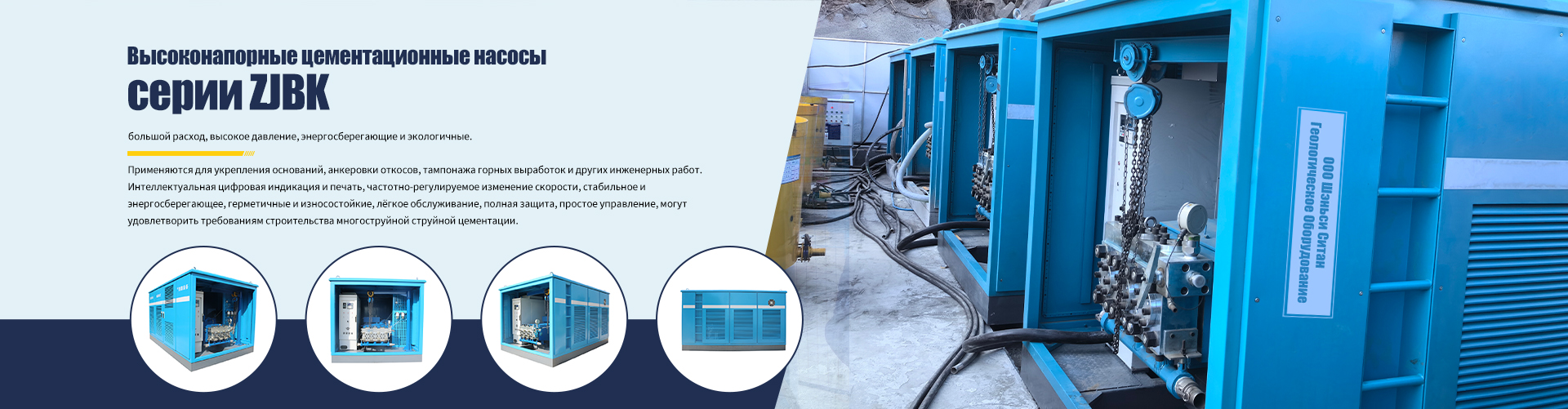
Кроме того, производственная база компании площадью 23 000 кв. м выпускает более 500 единиц техники ежегодно, проходящей строгий контроль по стандартам ISO 9001 и ISO 45001. Наличие в портфолио компании специализированных насосов высокого давления (55–560 кВт) и интеллектуальных цементационных платформ гарантирует, что оборудование способно работать со сложными химическими составами, включая агрессивные добавки ССК, без потери герметичности и производительности. Опыт участия в таких масштабных проектах, как тоннели Циюэшань и Юаньляншань, а также сотрудничество с Китайским геологическим университетом, подтверждает способность компании предоставлять комплексные решения, где химия и механика работают в идеальном синергизме.
Часто задаваемые вопросы
Можно ли использовать ССК с любым типом алмазных коронок?
Да, ССК совместимы с большинством типов алмазных коронок, включая импрегнированные и поверхностно-установленные. Однако, для максимального эффекта рекомендуется использовать коронки с открытой структурой матрицы, чтобы обеспечить эффективную очистку и охлаждение. Всегда консультируйтесь с производителем коронок для получения конкретных рекомендаций.
Как часто нужно проверять параметры бурового раствора?
Рекомендуется проверять вязкость, плотность и pH каждые 4-6 часов во время бурения. При изменении литологии или появлении проблем (например, рост давления) проверки следует проводить чаще. Регулярный мониторинг позволяет своевременно корректировать состав раствора и предотвращать аварии.
Влияет ли ССК на геохимические анализы керна?
Качественные ССК разрабатываются с учетом минимального воздействия на геохимические анализы. Однако, некоторые добавки могут содержать элементы, которые интерферируют с определенными методами анализа. Перед началом проекта необходимо провести тесты на совместимость и сообщить лаборатории о используемом буровом растворе.
Каков срок хранения ССК?
Срок хранения концентрата ССК обычно составляет 12-24 месяца при хранении в оригинальной упаковке в сухом, прохладном месте. Рабочий раствор имеет ограниченный срок жизни из-за возможного загрязнения и деградации добавок. Не рекомендуется хранить рабочий раствор более 7 дней без активной циркуляции и обработки.
Заключение и следующие шаги
Колонковое бурение с применением ССК методы — это проверенная технология, которая повышает эффективность, снижает затраты и улучшает качество получаемых данных. Переход на эту технологию требует первоначальных инвестиций в обучение и оборудование, но долгосрочные выгоды значительно превышают эти затраты. В условиях растущей конкуренции и ужесточения экологических норм, использование передовых буровых растворов становится не просто преимуществом, а необходимостью.
Мы рекомендуем начать с пилотного проекта на одной из ваших скважин. Соберите данные, сравните результаты с традиционными методами и оцените экономический эффект. Если вам нужна помощь в выборе подходящего ССК или разработке программы внедрения, наша команда экспертов готова предоставить консультацию.
Для получения дополнительной информации о наших услугах и продуктах, пожалуйста, посетите нашу страницу промышленные решения для бурения. Мы помогаем компаниям оптимизировать буровые процессы и достигать лучших результатов.
Свяжитесь с нами сегодня, чтобы обсудить, как мы можем помочь вашему проекту стать более эффективным и прибыльным.